The biggest headaches in RV conversion are irregularly shaped cabins, dimensional discrepancies, and rework.
Vehicle cabins often have protruding wheel arches and irregular corners, making traditional measuring tapes prone to error. Cabinet, plumbing, and insulation layouts are also easily compromised. The core of conversion lies in grasping five key data categories: compliance boundaries, chassis load-bearing capacity, space dimensions, plumbing and electrical loads, and insulation counterweights.
We'll share more later… Anyone who's enthusiast of RV conversions knows that measuring irregular cabins, planning for uniquely shaped spaces, and cutting custom cabinet materials all rely on experience and trial and error.
To achieve a seamless conversion, minimize waste, and reduce rework costs, efficient measurement tools are essential.
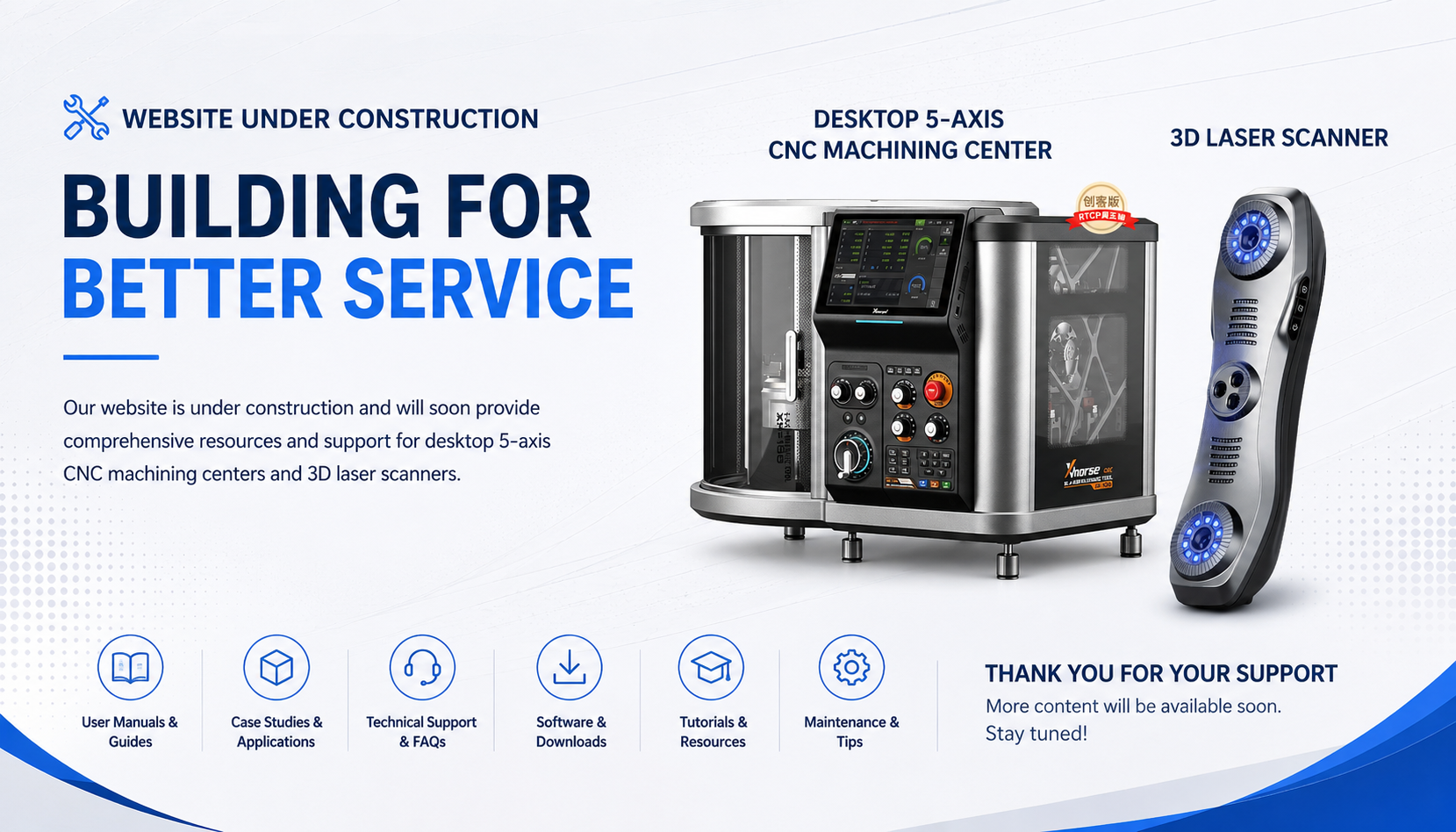
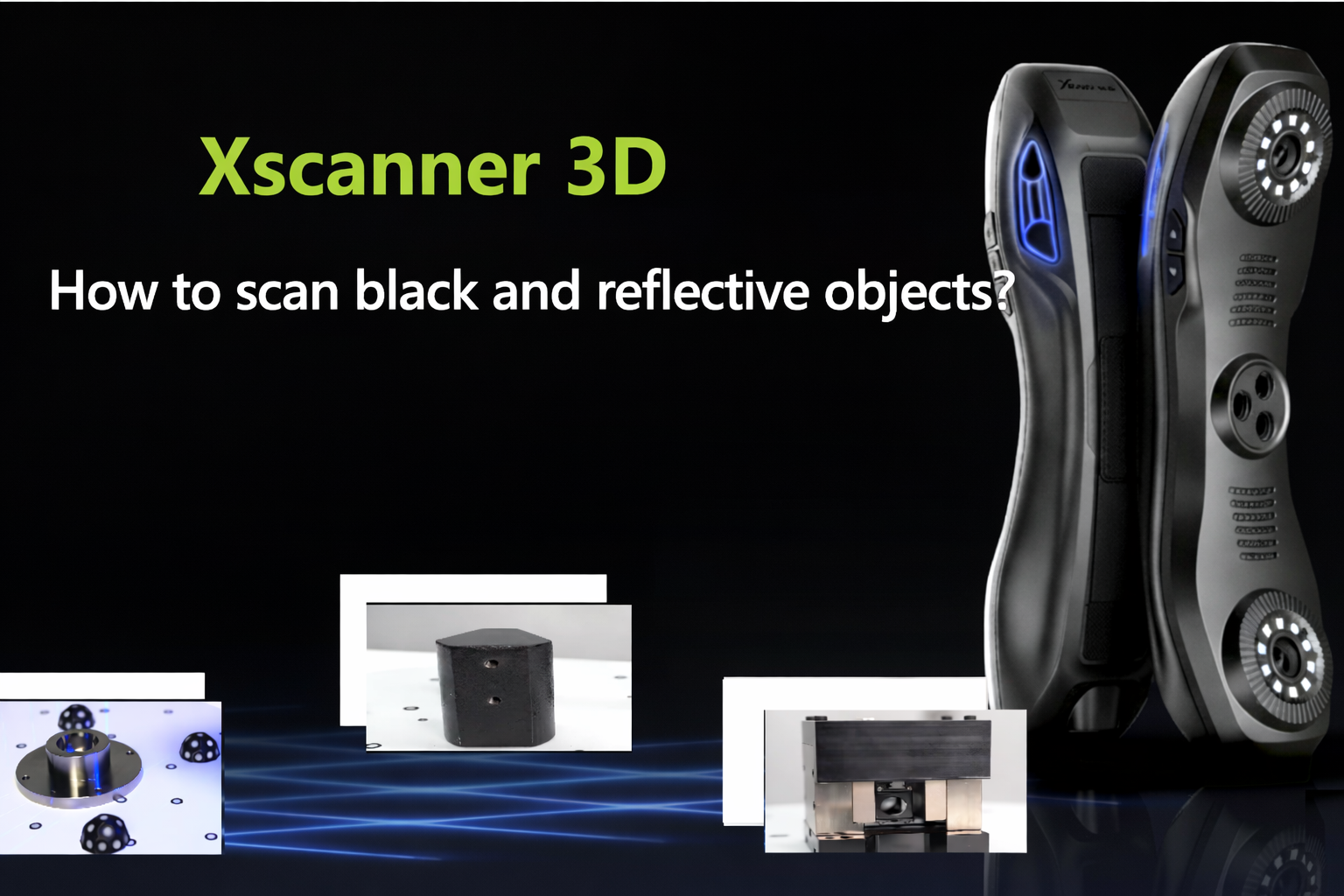
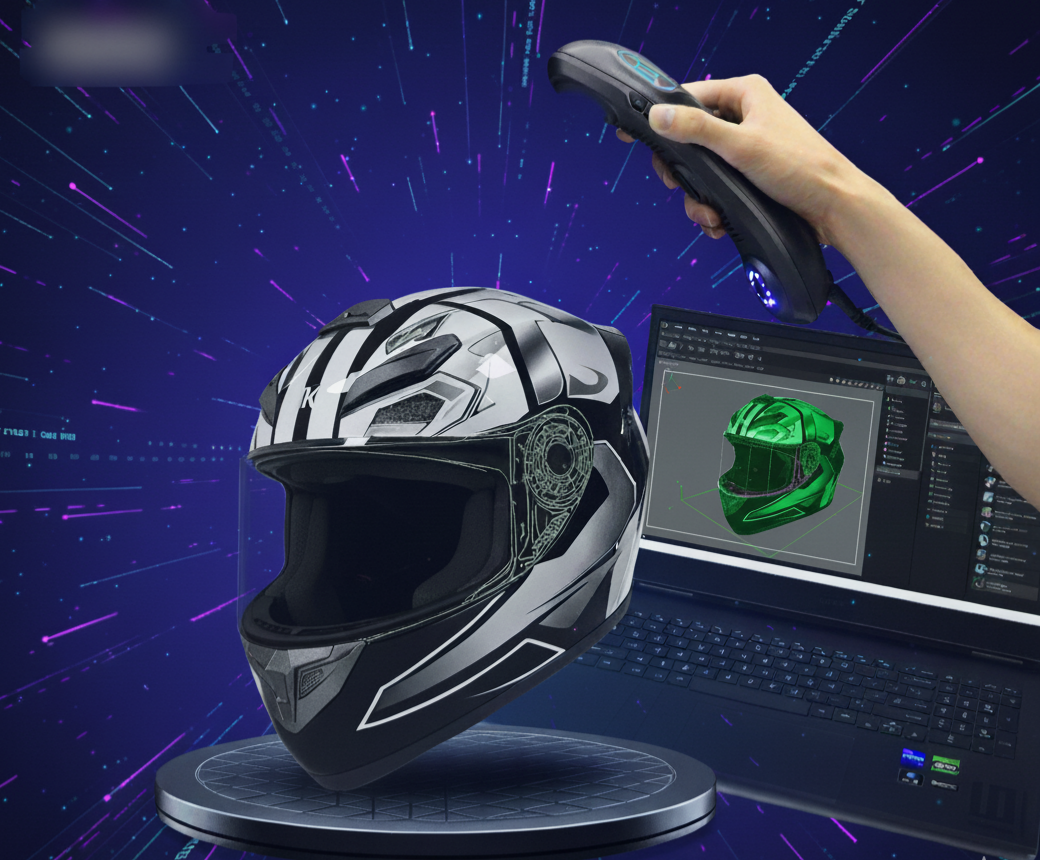
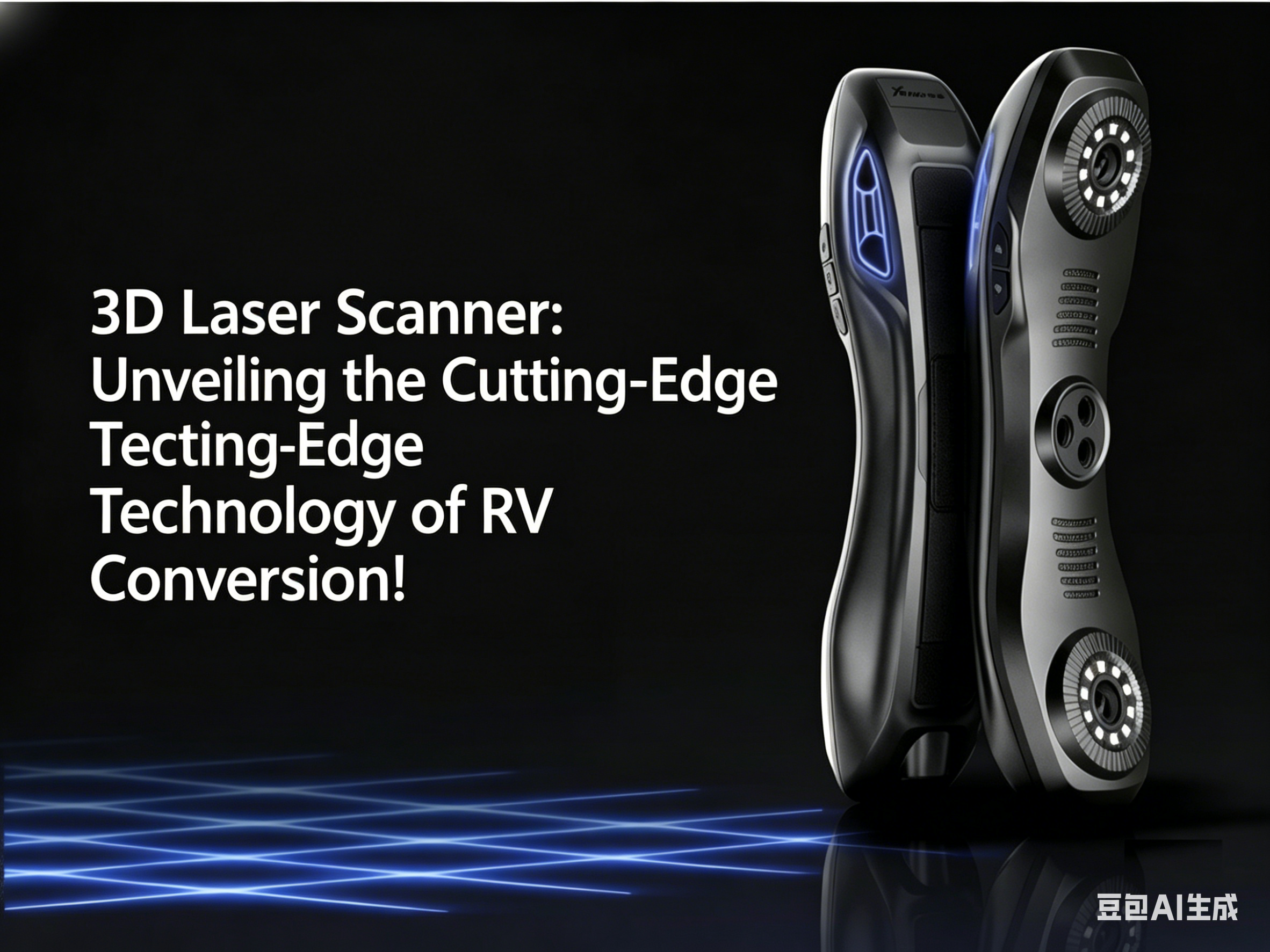
The Xscanner 3D laser scanner is a great handheld entry-level device!
For converting a truck into a campervan, a 3D laser scanner is a game-changer, far more accurate than measuring with a tape measure or drawing sketches.
It perfectly solves the pain points of irregularly shaped truck bodies, wheel arches, curvature deviations, and large dimensional errors.
I. Core Advantages of a 3D Laser Scanner for Truck-to-Camel Conversion
1. Precise Replication of the Entire Vehicle Space
Truck bodies are not standard squares: wheel arch protrusions, deformed corners, roof beams, chassis protrusions, and irregularly shaped cab partitions. Ordinary rulers have a measurement error of 1-3cm, leading to misalignment when installing the frame, panels, and furniture later. Laser scanning offers millimeter-level precision, generating a complete 3D spatial model with a single click. It accurately locates wiring routes and opening positions (such as the battery compartment wiring path).
2. Direct Dimensioning, Layout Drawing, and Pre-layout
Automatically generates: internal length, width, and height; wheel arch dimensions; concave and convex positions; bevel angles; and precise door frame data after scanning.
Can pre-layout on a computer: bed, bathroom, cabinets, water tank, and battery location.
Pre-calculates insulation board, square tube, and sheet material cutting dimensions, eliminating waste and minimizing rework.
3. Adaptable to Special Scenarios in Truck Conversion
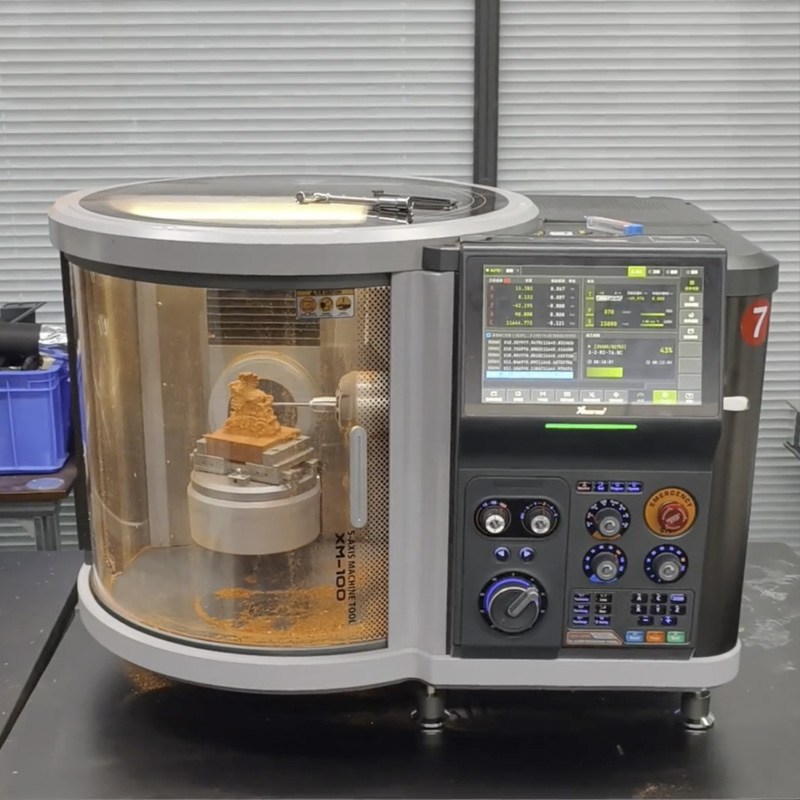
Collects all uneven interior walls, weld points, reinforcing ribs, and concave/convex structures. Provides data support for subsequent CNC machining (floor layer design matches vehicle body curvature).
Precisely positions openings (ventilation fans, windows, water pipes, wiring holes), preventing incorrect framing.
II. There are roughly three types of scanners for RVs:
1. Entry-level handheld portable 3D laser scanners are sufficient.
Low price, easy to use, no professional skills required, and easy to operate in the confined space of a RV. It can scan the interior of the truck bed, chassis, wheel arches, and driver's cab partition, generating models and dimensional drawings for easy later construction.
Suitable for personal modifications.
2. Mid-range Machine
Panoramic LiDAR scanners offer higher precision, scanning the entire vehicle exterior and interior, suitable for detailed modifications and custom cabinets, and ideal for large professional modification companies. However, as entry-level equipment upgrades, the advantages of mid-range equipment are gradually being overtaken.
3. Not Recommended: Large, fixed industrial-grade scanners: Too expensive and bulky, inconvenient to use inside a truck bed.
III. What can be done directly after scanning (practical application)
Export CAD dimensional drawings/3D models for carpenters and welders to directly cut materials.
Precise calculations: Insulation layer thickness, frame square tube length, and board cutting dimensions.
Avoiding counterweight issues: Accurately measure height and elevation to properly place water tanks and lithium batteries (preventing overload and weight imbalance).
Custom-designed for irregular locations: Wheel covers surround the cabinet, with beveled edges for a seamless fit.
Record complete original vehicle data for direct use in future repairs and modifications.