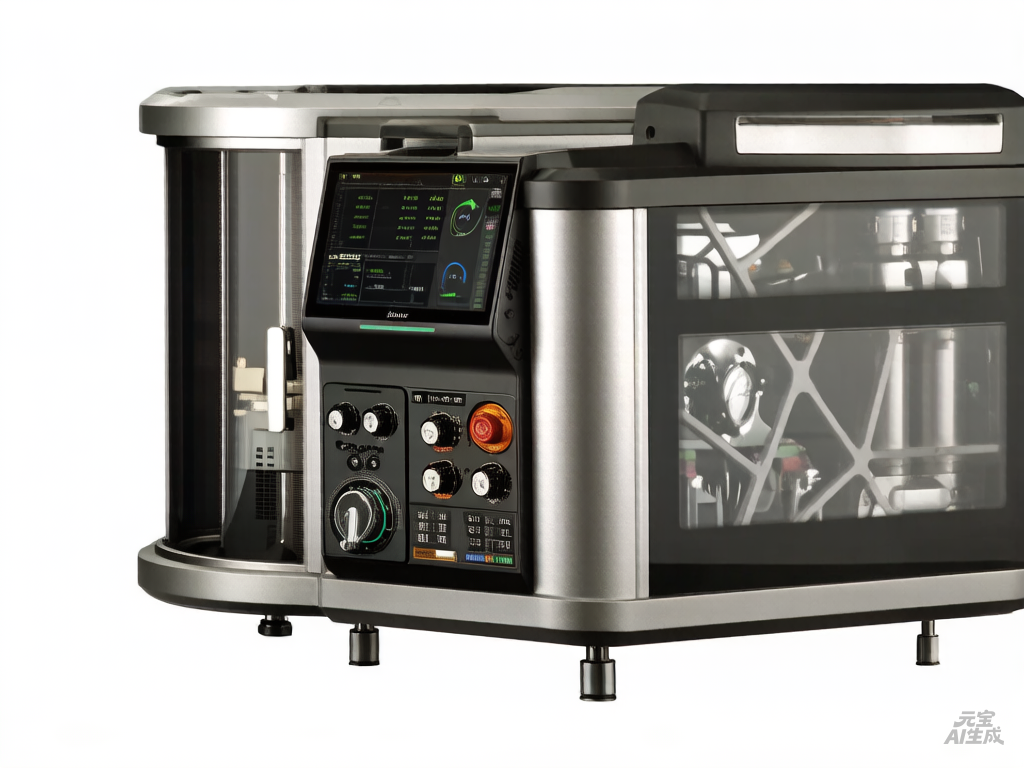
5-Axis CNC
-Featured content and the latest industry trends, continuously updated-
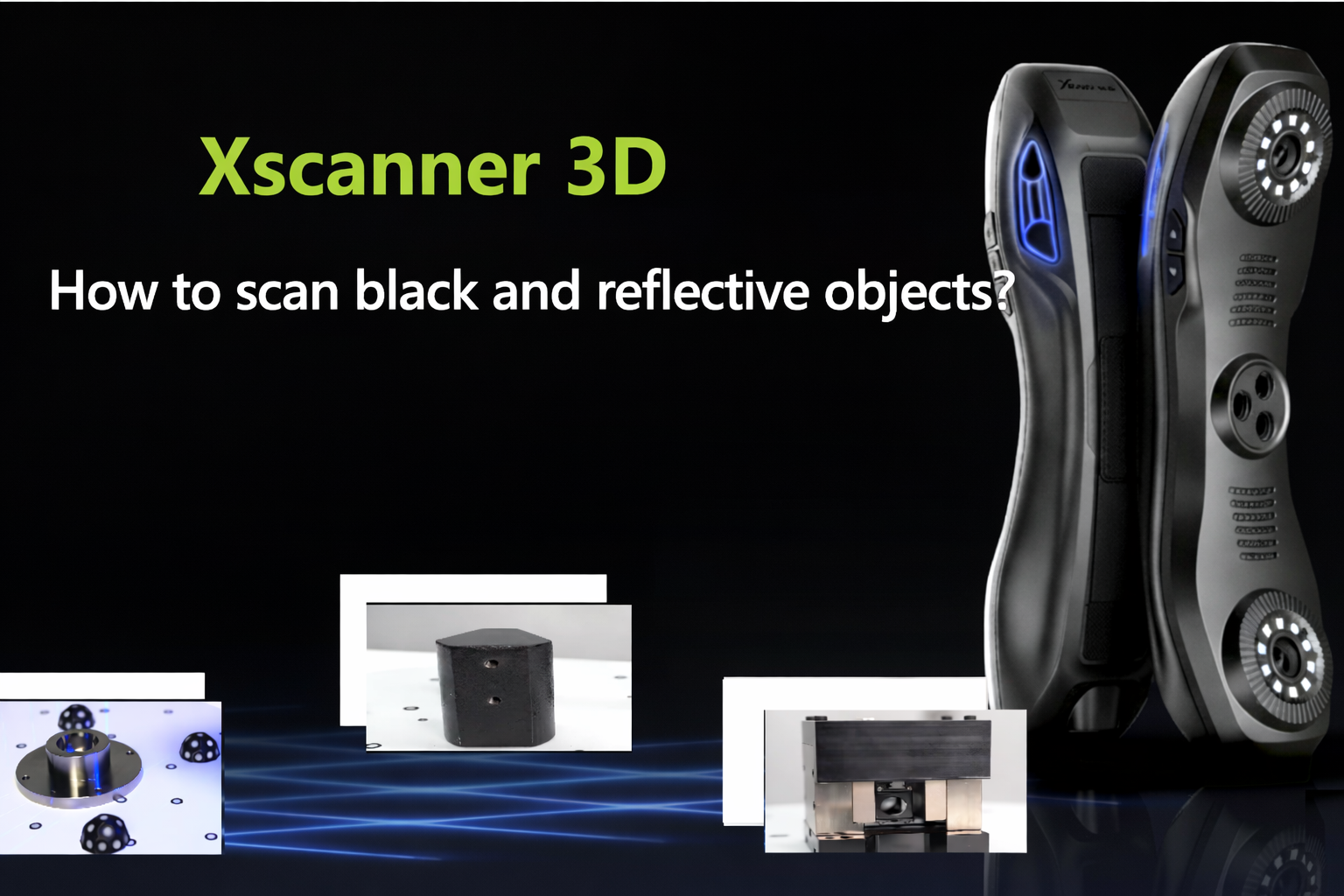
How to Scan Reflective and Black Materials? Explanation of Common Issues in 3D Scanning
In 3D scanning, objects made of different materials present different scanning challenges, especially highly reflective surfaces and black objects, which often cause noise and loss of detail. This article focuses on these common material-related difficulties, analyzes the scanning characteristics of reflective objects, black objects, and objects with complex materials, and provides corresponding scanning approaches and optimization methods to help users obtain more stable, high-quality scanning data in practical operation.
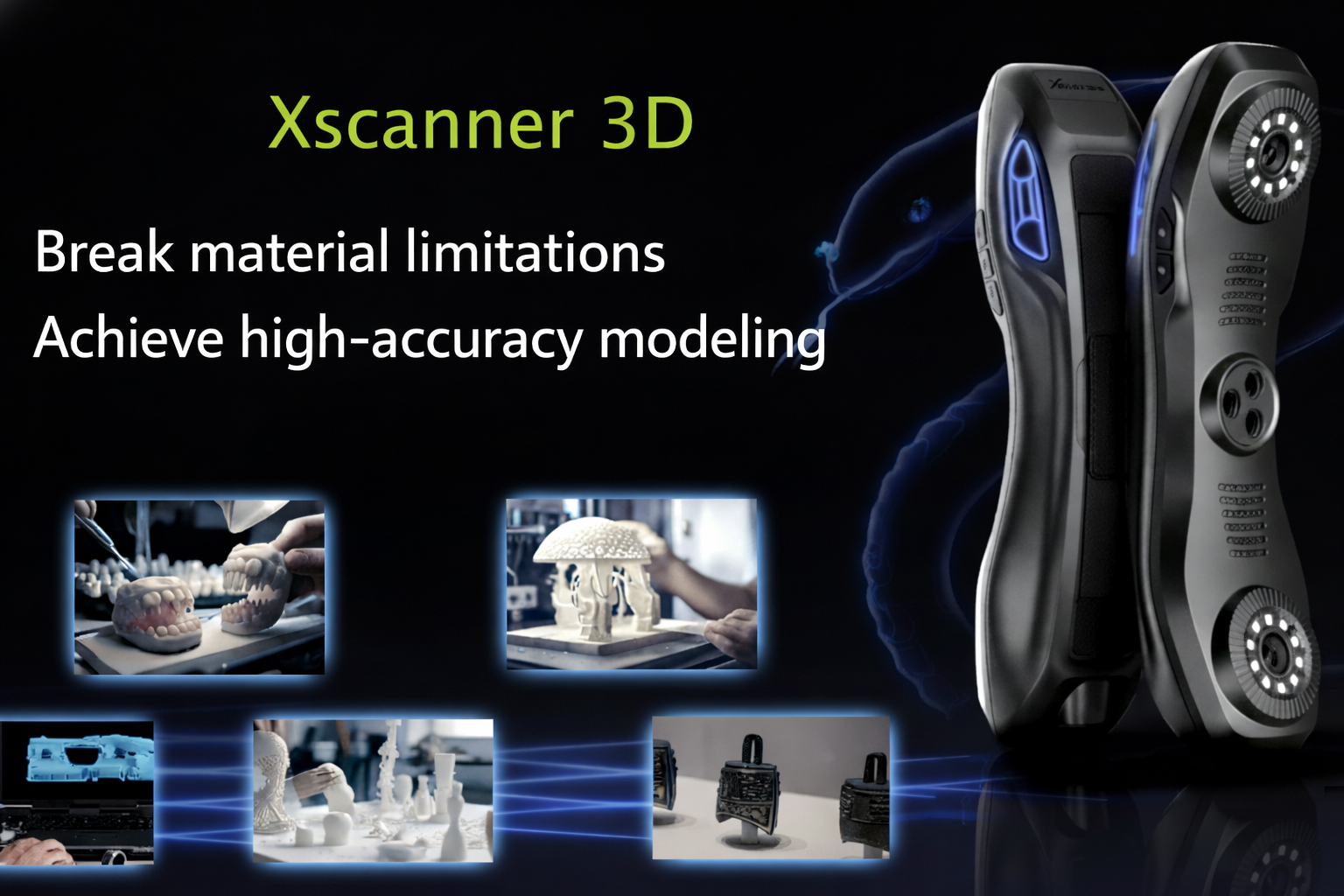
Xhorse3D Xscanner Laser Scanner: Overcoming Material Limitations for 0.05 mm High-Precision Modeling
In 3D scanning and modeling applications, a device’s adaptability to different materials and its scanning accuracy are often key factors users focus on when choosing equipment. This article introduces the practical functions of the Xhorse3D Xscanner laser scanner from two aspects—material adaptability and scanning accuracy—briefly explaining the device’s performance in scanning metal, dark-colored materials, and common solid materials. It also summarizes its 0.05 mm accuracy, blue laser scanning technology, and application scenarios, helping readers understand its basic capabilities in 3D modeling and data acquisition.
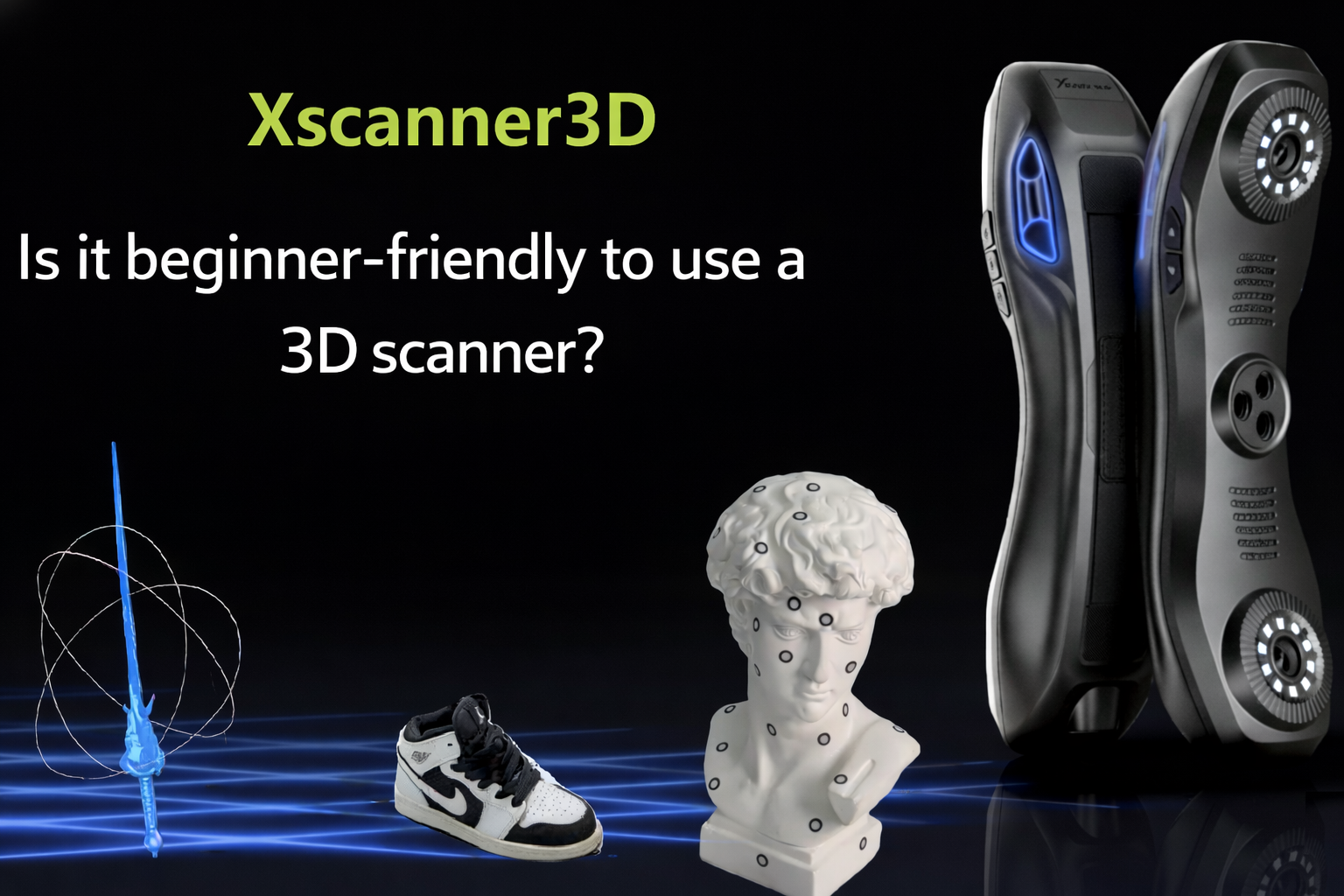
Is the Xscanner3D Scanner Suitable for Beginners?
For beginners who are new to 3D scanning, both the equipment and the way to use it can often feel confusing. Based on my actual experience using xScanner3D, this article summarizes the operational details of each step, from unboxing to scanning the first complete model, including marker placement, environment selection, parameter settings, and post-processing, and also records the various problems encountered and their solutions. I hope it can provide some practical reference for friends who are also just getting started.
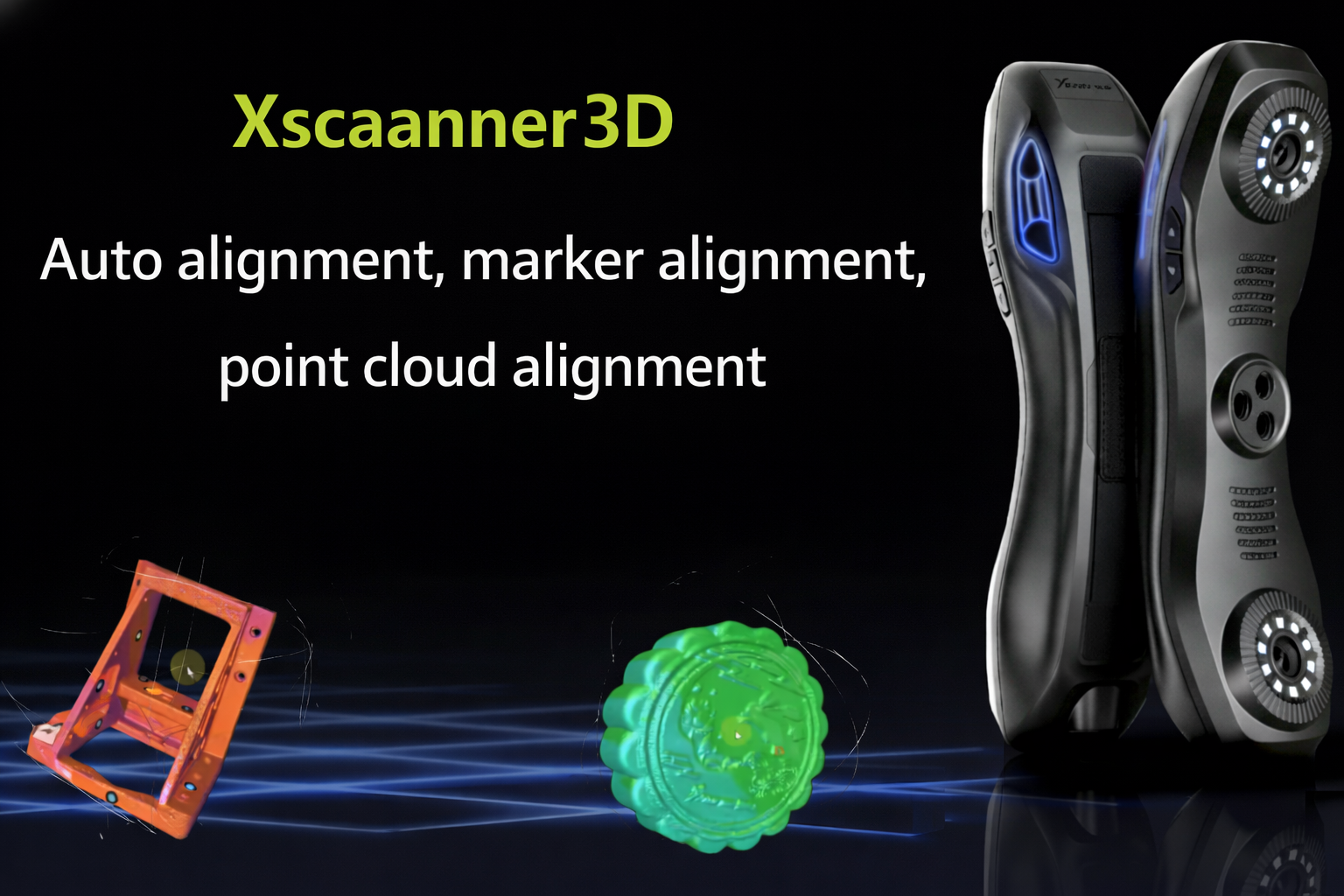
Automatic Stitching vs. Marker Stitching vs. Point Cloud Stitching: How to Choose the Right 3D Stitching Mode in 3D Scan Post-Processing?
This article provides a detailed introduction to three common 3D stitching modes used in 3D scan post-processing—automatic stitching, marker stitching, and point cloud stitching—explaining their working principles, advantages and disadvantages, and applicable scenarios respectively. Through comparative analysis, it helps users scientifically choose the appropriate stitching method based on factors such as object characteristics, accuracy requirements, and computing resources, so as to improve the efficiency and accuracy of 3D reconstruction.
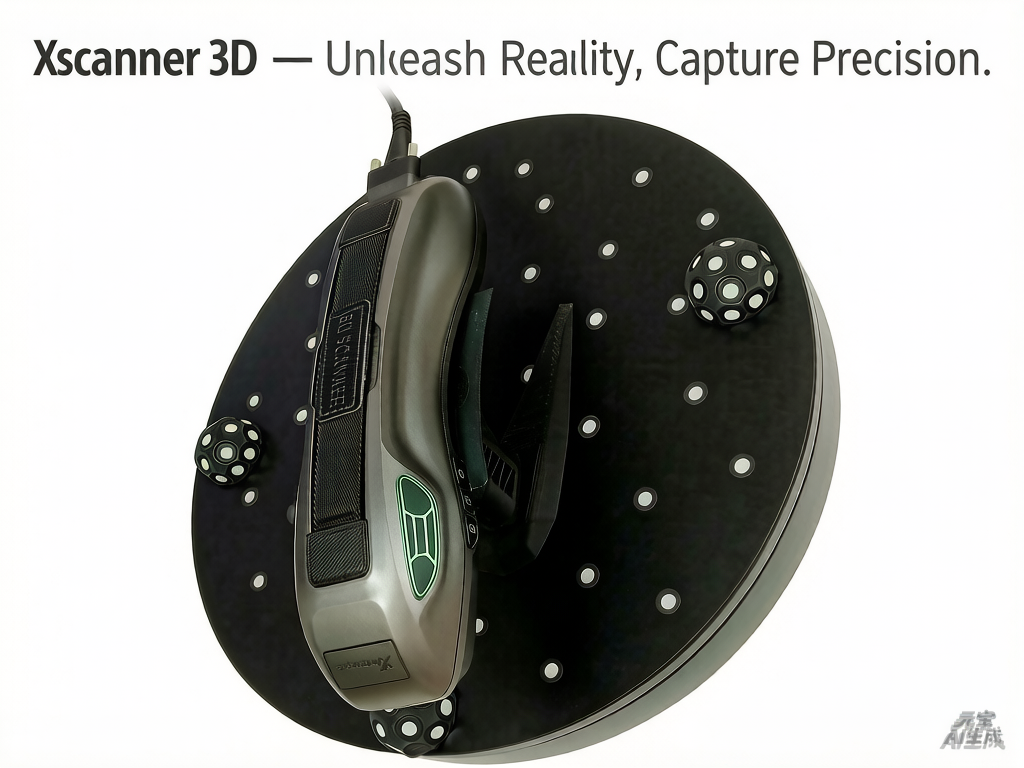
Xscanner 3D — Unleash Reality, Capture Precision
Xscanner 3D Handheld 3D Scanner Core Features High Precision: 0.05mm scanning accuracy, 7 pairs of crossed laser lines, 420,000 measurements per second User-Friendly: Guided calibration (1-2 minutes setup), real-time distance indicator, suitable for beginners Portable & Wireless: 425g handheld design, built-in battery, allows flexible on-the-move scanning Software Compatibility: Supports export in multiple formats (STL/OBJ/PLY, etc.) and seamless integration with mainstream 3D software Application Fields Industrial Manufacturing, Cultural Heritage & Archaeology, Architecture & Engineering, Mechanical Maintenance, Film & Creative Media, Automotive Modification Support Services: Software Downl
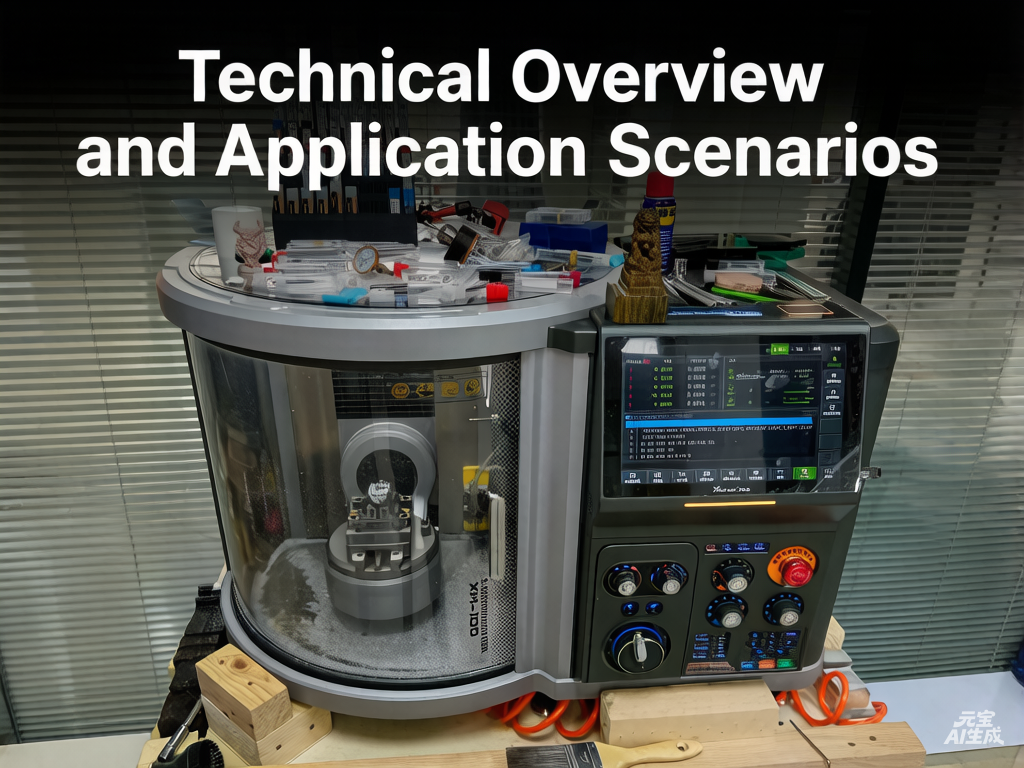
Xmachine Desktop 5-Axis Machining Center: Technical Overview and Application Scenarios
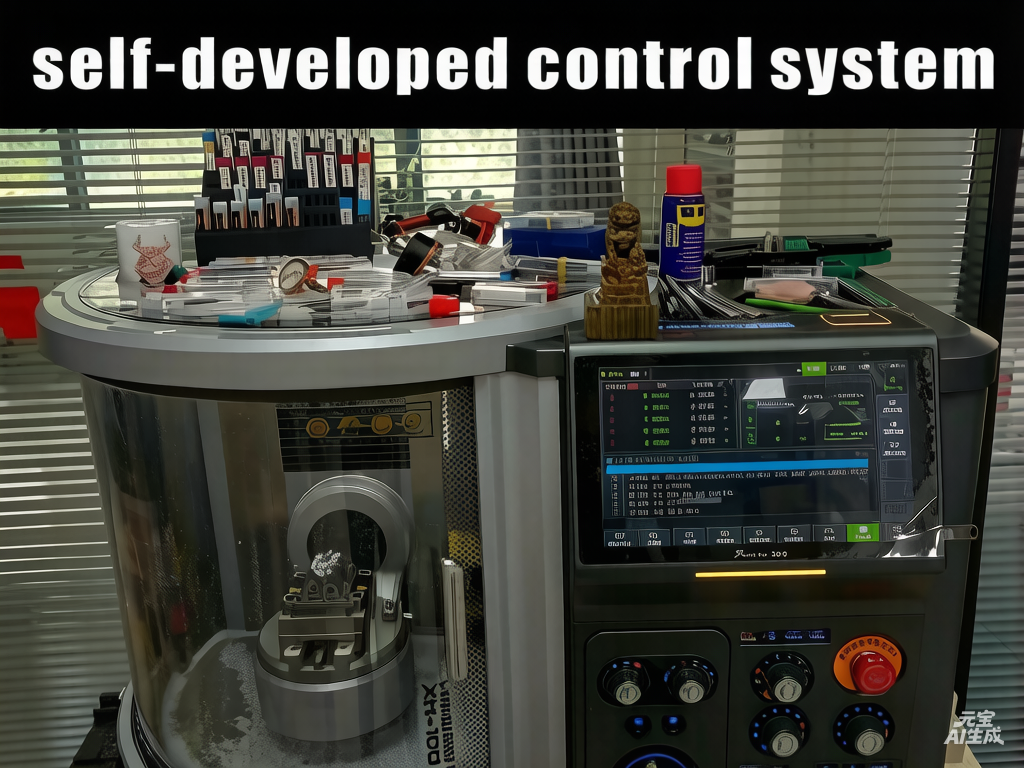
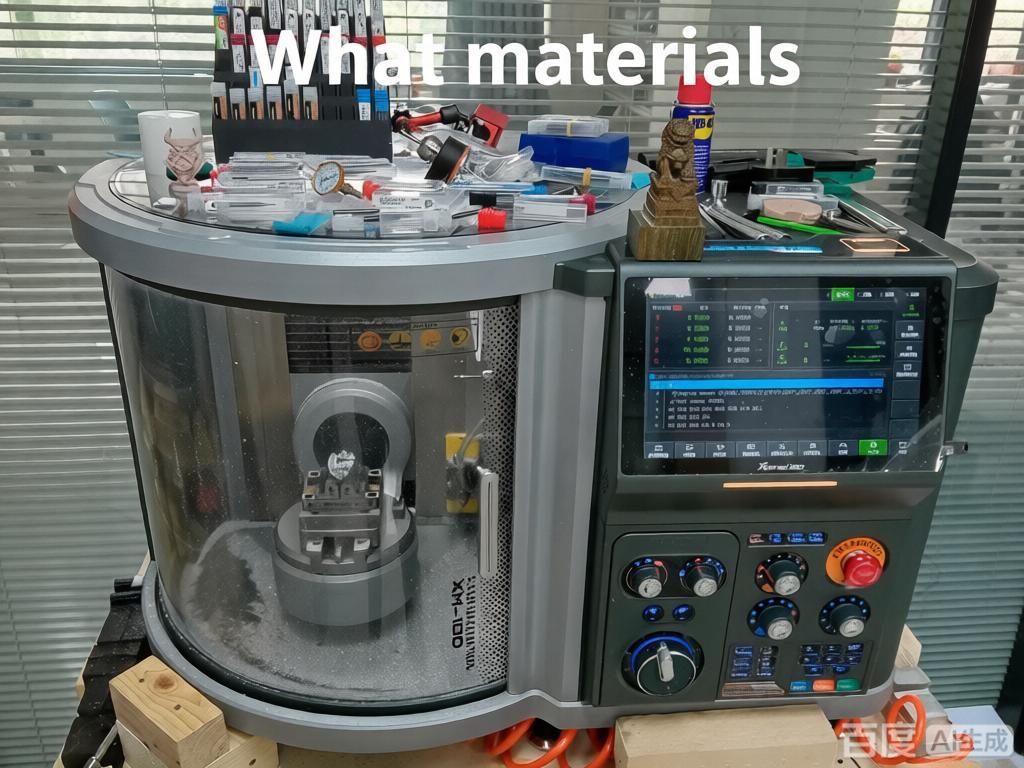
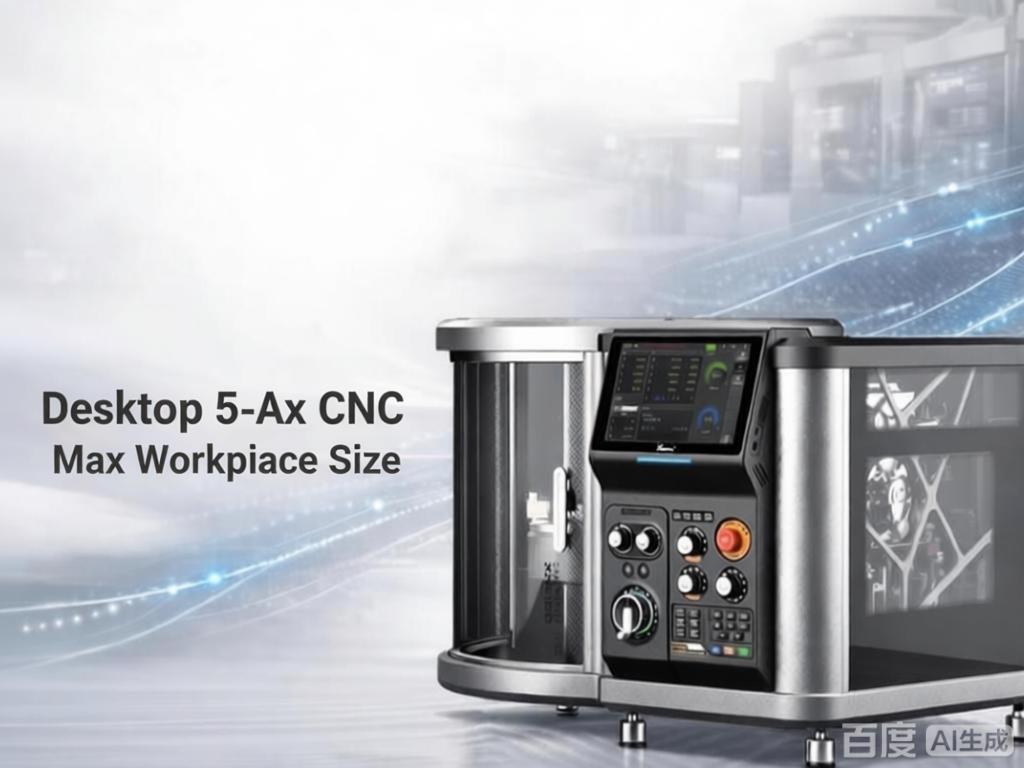
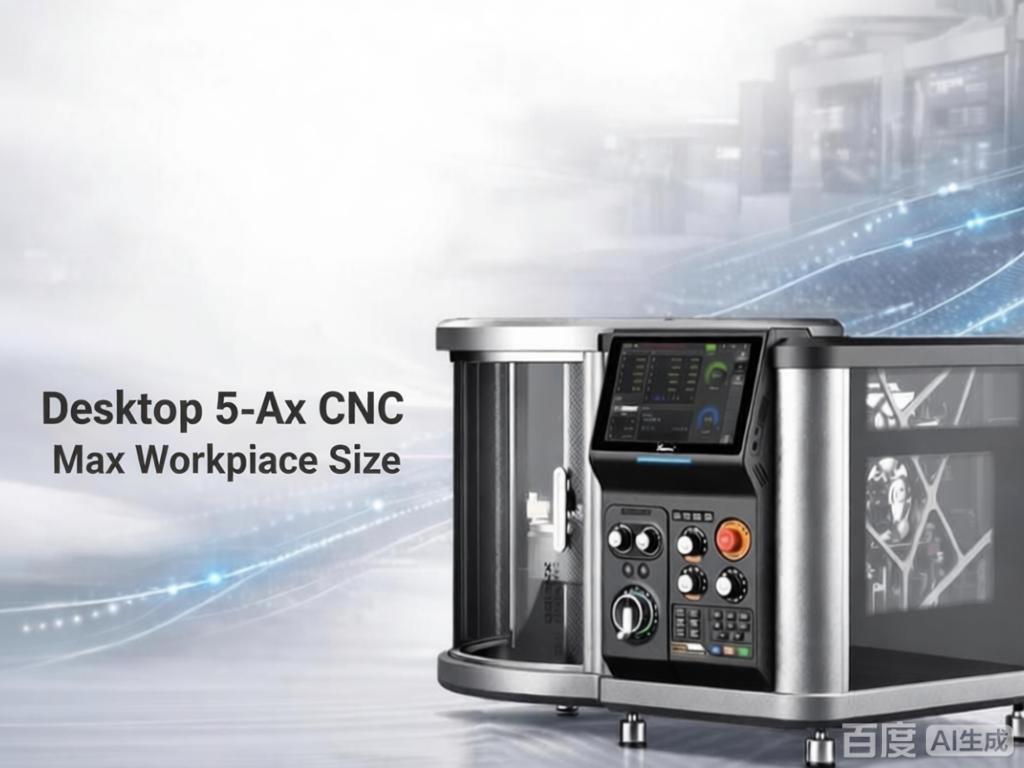
Xmachine: The World's First AI‑Enabled Desktop 5‑Axis CNC Delivering industrial precision in a compact desktop machine. Features 5‑axis simultaneous motion, 0.01mm repeatability, RTCP, and a high‑speed spindle. The integrated AI software enables seamless CAD‑to‑CAM workflow, making complex machining accessible for designers, makers, and small‑batch production.
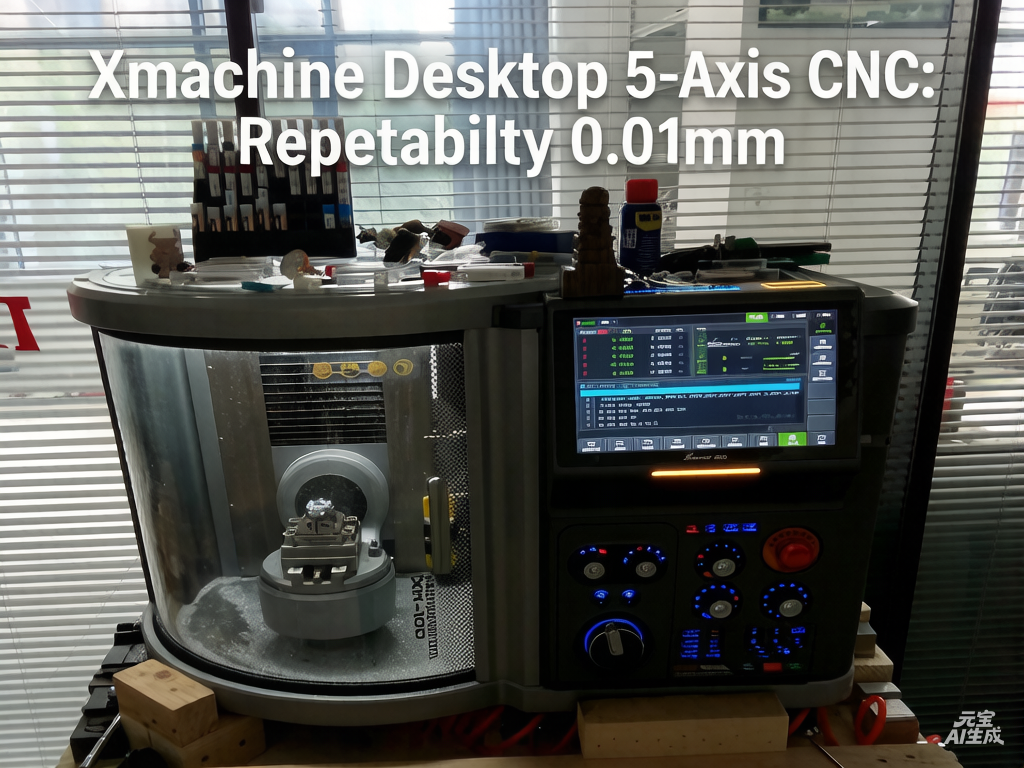
Xmachine Desktop 5-Axis CNC: Repeatability 0.01mm, AI-Powered Programming
In 2025, Xhorse 3D launched Xmachine, the world's first AI‑integrated desktop 5‑axis machining center. It delivers true 5‑axis motion, 0.01mm repeatability, and handles metals, plastics, wood, and more. The self‑developed CNC system and AI software X Maker slash the learning curve, enabling quick model‑to‑part workflows. Compact and quiet, it supports prototyping, engraving, and small‑batch production—putting factory‑grade precision on the desktop and empowering creators everywhere.
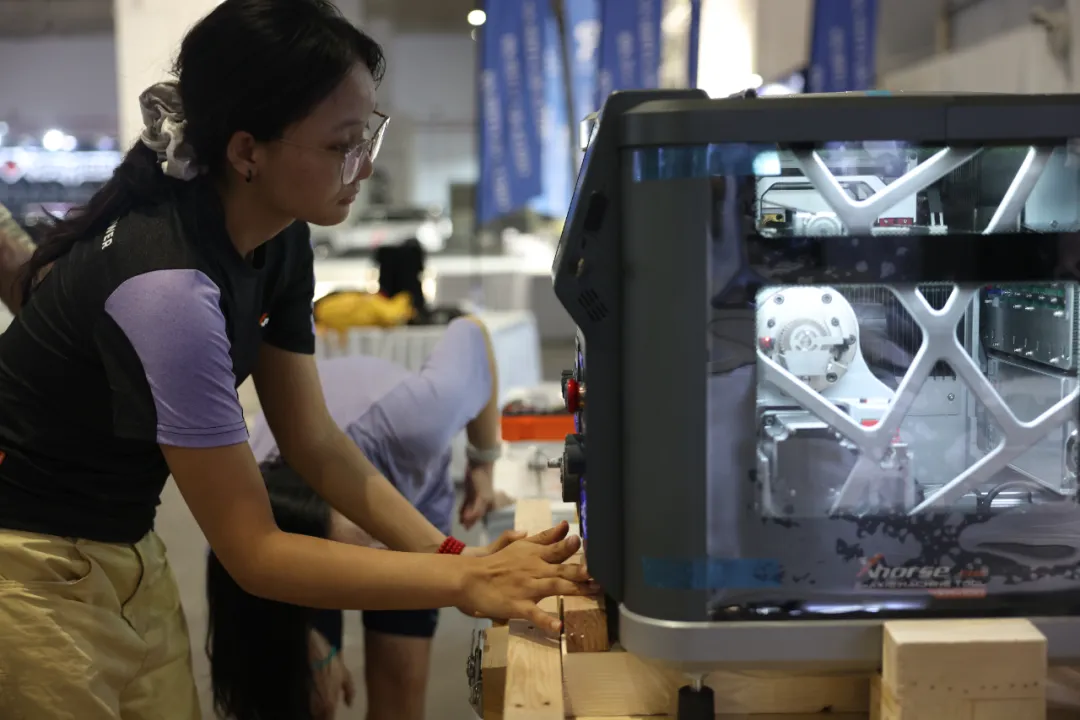
3D Scanning Meets Fast Car Tuning! Shi Cheng Zhi Yin Partners with Shu Ma Electronics to Showcase 3D Tech at IASCA Dongguan
This article reports on the "IASCA King of Kings Car Audio Challenge & Asia Championship China Elite Selection · Dongguan Station" held at the Guangdong Modern International Exhibition Center from October 17 to 18, 2023. The article highlights the innovative Xhorse 3D technology products jointly exhibited by Shanghai Shi Cheng Zhi Yin and Shu Ma Electronics—a precision instrument integrating a 5-axis CNC machining center and 3D scanning capabilities. It elaborates on the application value of this equipment in the car audio modification field and its positive impact on the future development of the industry.
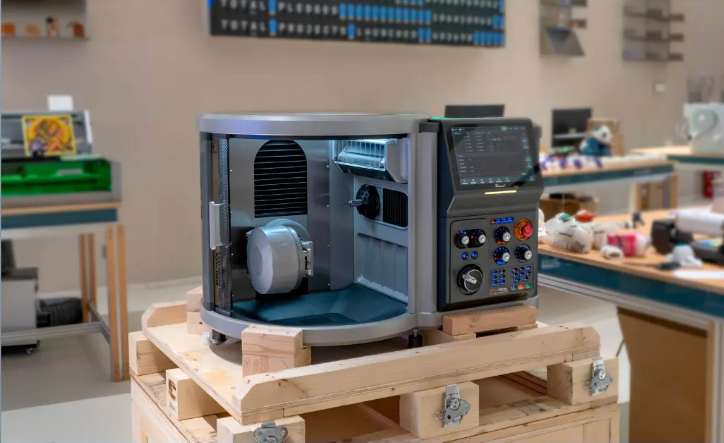
Desktop 5-Axis CNC Machining Center: Officially Launched!
The Xhorse 3D Desktop 5-Axis Machining Center is a high-performance, compact CNC machine crafted to bridge prototyping and small-batch production. It combines industrial-grade rigidity and stability with a desktop footprint, supporting engraving, milling, drilling, and tapping across a wide range of materials. Whether you're a maker refining a custom mod, a studio iterating on a prototype, or a workshop machining complex geometries—this machine delivers precision, repeatability, and professional results right at your bench.